
Southern Syria Clashes
Violent clashes erupted in Suwayda in July 2025 amid sectarian tensions between Druze militias and Bedouin tribes, drawing government intervention and causing widespread human rights abuses.

Suwayda and its People
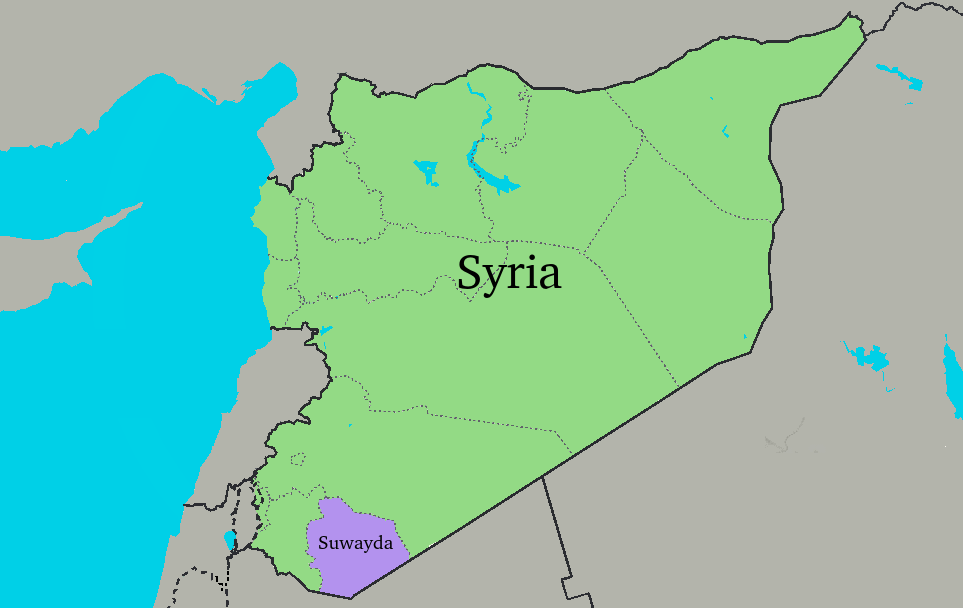
Suwayda governorate, in southern Syria, borders Jordan and covers over 5,500 square kilometers. It is home to around 375,000 people—about 90% of whom are Druze. The rest of the population includes small Christian communities and Sunni Bedouin tribes, mainly in the western and southern countryside near Daraa.
The Druze are a secretive religious group whose beliefs trace back to the 11th century. Their faith blends elements of Shia Islam, Gnosticism, Christianism, Zoroastrianism and Neoplatonism.
The Bedouins are Sunni Arab tribes with nomadic roots. They are organized through tribal leadership and kinship networks.
Relations between the Bedouin and Druze communities in Suwayda historically shifted between cooperation and conflict. These tensions mostly stemmed from disputes over land and resources. Agricultural Druze depended on fixed land, while Bedouin pastoralists required mobility for herding—often sparking clashes over grazing rights and access to water.
After Bashar al-Assad’s fall in December 2024, the newly formed Syrian Transitional Government struggled to assert control over Suwayda. Since the civil war, Druze militias have maintained de facto autonomy in the region. These groups took charge of local security and governance, creating a power dynamic that often clashes with Damascus’s central authority.
The Druze in Suwayda are not completely unified, holding different views on the government led by President Ahmed al-Sharaa. Some, like Sheikh Hikmat al-Hijri and the Suwayda Military Council, are deeply suspicious of al-Sharaa—particularly because of his past ties to Islamist movements. Al-Hijri rejects state control and demands regional autonomy.
Others within the Druze establishment take a more conciliatory approach. They advocate for dialogue and coexistence with the transitional government, hoping to preserve national unity while protecting Druze interests.
April-May Clashes
Before the events of July, tensions had already been building. In April and May 2025, violent clashes erupted in Syria’s Rif Dimashq Governorate and soon spread to parts of Suwayda. The violence was triggered by a controversial audio recording—allegedly insulting the Prophet Muhammad—attributed to a Druze scholar. Although he denied responsibility, the recording fueled widespread sectarian outrage.
Fighting broke out between Druze militias and Syrian security forces, resulting in dozens of deaths. Israel responded with airstrikes on Syrian government targets, while Turkey deployed electronic countermeasures. Amid the chaos, the Islamic State carried out sporadic bombings throughout May.
The clashes came to a halt in early May with a ceasefire agreement, bringing a temporary and uneasy calm to the region.
July Clashes
The current crisis began on July 11, when a Druze vegetable merchant was violently assaulted and kidnapped by an armed group of Bedouins at a roadblock near Al-Mismayah, along the Damascus–Suwayda highway. The attackers stole his vehicle and belongings, hurled sectarian slurs and death threats, and left him severely beaten.
After the merchant was released in critical condition, local Druze armed groups responded by detaining several Bedouin individuals—seeking to pressure the perpetrators to return the stolen property and take responsibility for the attack.
In retaliation, Bedouin groups began abducting Druze civilians. Tensions quickly escalated as both sides set up checkpoints, particularly along the Damascus–Suwayda highway.
By July 13, violence had erupted in the city of Suwayda—a city of over 70,000 people and the capital of Suwayda Governorate. In the al-Maqwas neighborhood, Bedouin fighters had established a checkpoint and captured several Druze civilians. In response, Druze factions launched counterattacks to free the captives and reclaim the area.
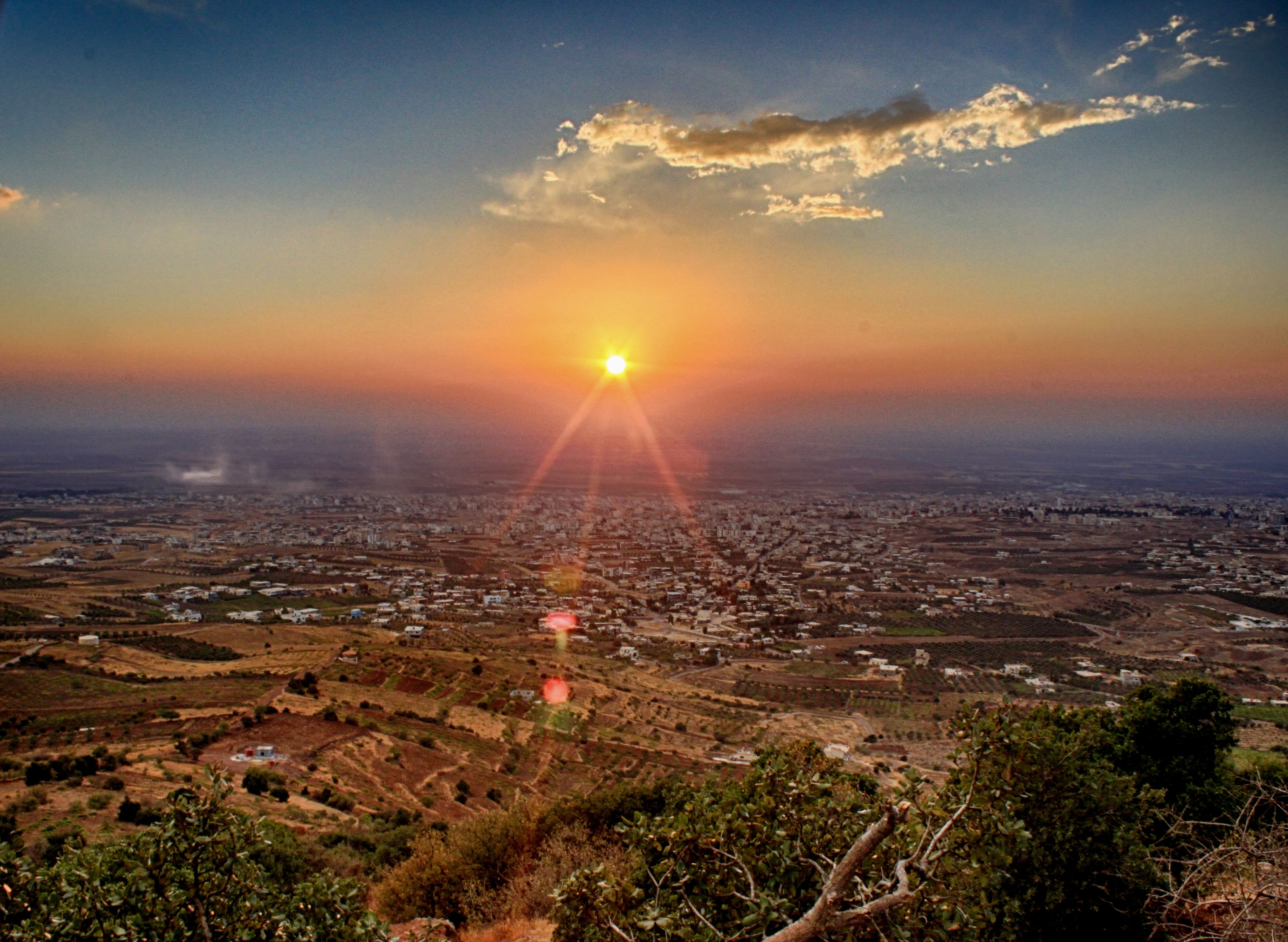
The clashes quickly spread to nearby rural areas. Both sides used medium weaponry, including machine guns, mortars, and carried out coordinated assaults on police positions.
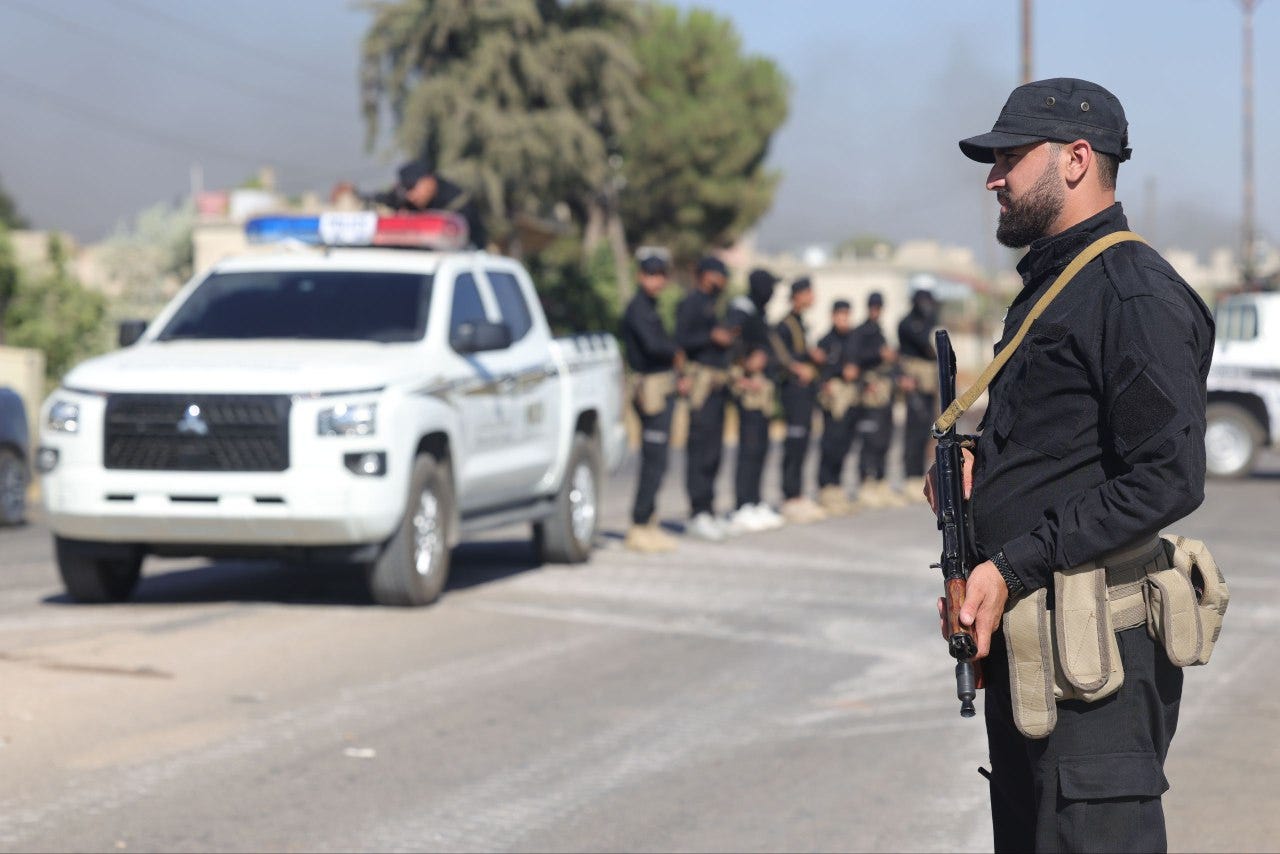
On July 14th, the Syrian Transitional Government deployed its armed forces to Suwayda. They were met with resistance. Armed groups launched attacks on Syrian soldiers and police, leaving several dead or wounded. Government forces also suffered abductions of personnel while carrying out its mission.
Sheikh Hikmat al-Hijri publicly denounced the government's deployment. He accused the forces of operating under the false pretense of protection—while shelling villages and aiding extremist elements with drones and heavy weaponry, calling for international intervention.
That same day, Israel launched airstrikes on Syrian tanks advancing toward Suwayda. Defense Minister Israel Katz issued a direct warning to the Syrian regime, declaring Israel's firm commitment to defending the Druze population. His message echoed the concerns voiced by Sheikh al-Hijri.
Meanwhile, social media videos surfaced showing personnel from Syria’s General Security Service making inflammatory sectarian remarks. The backlash was immediate. In response, the Security Forces Command in Daraa arrested those involved, suspended the officers, and announced a formal investigation—stressing that the actions were not representative of official policy, and that the individuals had acted on their own.
On July 15th, a ceasefire agreement was announced—brokered by Druze notables in coordination with the Syrian government. To restore order, a curfew was imposed across Suwayda city.
Tensions quickly reignited when prominent Druze figures, including Sheikh Hikmat al-Hijri, accused the Syrian army of violating the agreement. According to them, government forces continued their attacks on Druze fighters and civilians. Sheikh al-Hijri responded by calling for armed resistance.
Meanwhile, the conflict resonated beyond Syria’s borders.
Protests broke out on major roads in northern Israel, where members of the Druze community rallied in solidarity with their Syrian kin. They called for international intervention. Some Israeli Druze even crossed the border into Syria to support the fight.
Israel launched a new wave of airstrikes on al-Mazraa and Suwayda city. The strikes specifically targeted Syrian military convoys and equipment.
For the first time since the fall of Bashar al-Assad in December 2024, Syrian government troops entered Suwayda city. Their presence ignited clashes with Druze militias—especially those affiliated with the Suwayda Military Council.
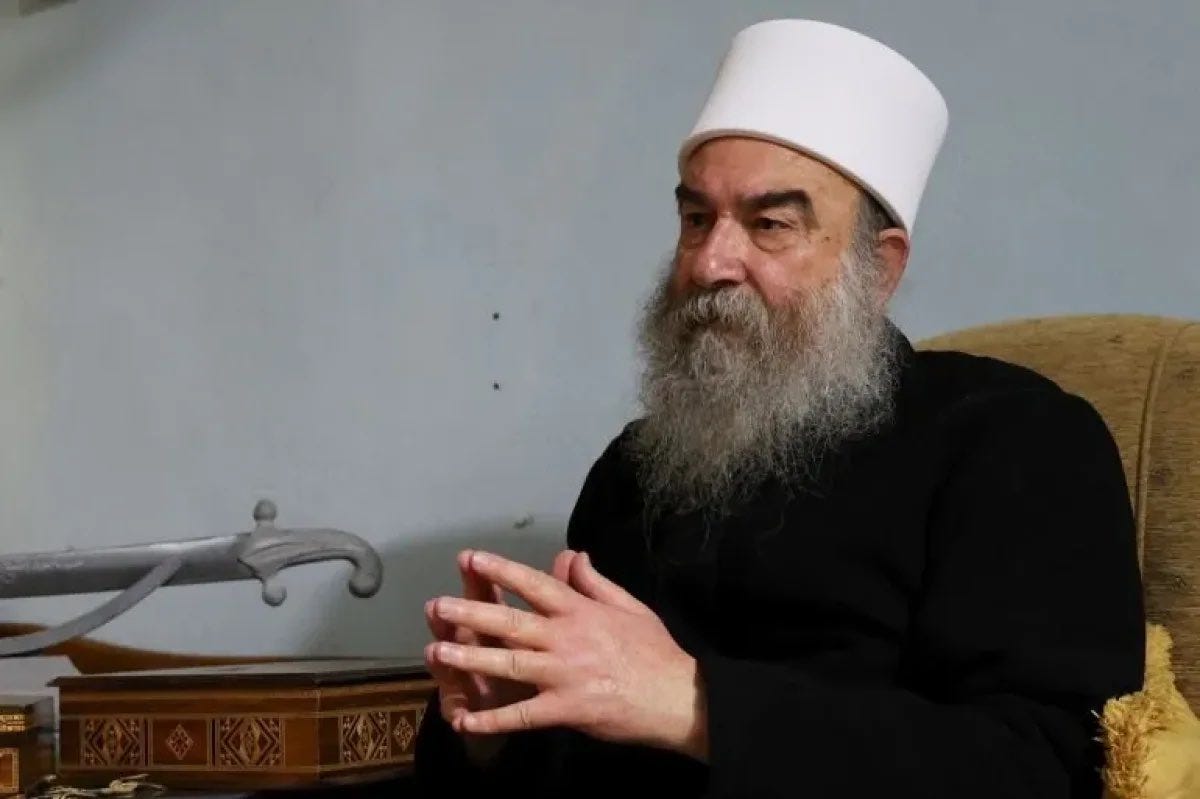
On July 16th, a new ceasefire was announced between the Syrian Transitional Government and key Druze leaders—most notably Sheikh al-Hinnawi and Sheikh Jabou, two of the three highest-ranking Druze religious figures in Syria. The third, Sheikh Hikmat al-Hijri, refused to support the agreement.
According to the Syrian Ministry of Defense, the ceasefire aimed to halt military operations in Suwayda. Its terms included the withdrawal of Syrian armed forces, the reintegration of Suwayda into the Syrian state, and the creation of an investigative committee to examine alleged atrocities.
But the ceasefire was immediately contested by Sheikh al-Hijri, who outright denied any agreement existed. He rejected negotiations with what he called “armed gangs that falsely call themselves a government.” Early that day, he made an urgent appeal to the international community—including the United States, Israel, Saudi Arabia, and Jordan—calling for immediate intervention to protect the Druze population in Suwayda.
On the same day, Israel launched at least seven airstrikes in the Suwayda region, targeting the Tha’lah military airbase and other strategic sites. Later, additional strikes hit the Syrian Ministry of Defense headquarters and areas near the presidential palace in Damascus. Meanwhile, over 1,000 Druze civilians from Israel crossed into Syria to support Syrian Druze fighters—defying Israeli Prime Minister Benjamin Netanyahu’s public plea for them to stay back.
As Syrian government troops withdrew from Suwayda following the ceasefire agreement, Druze armed militias—especially those loyal to Sheikh al-Hijri—entered nearby Bedouin communities. They reportedly carried out violent retaliatory attacks. In response, up to 50,000 Bedouins from 41 tribes reportedly mobilized toward Suwayda.
On July 19th, a new ceasefire plan was brokered, bringing together the Syrian Transitional Government, Druze factions, and Sunni Bedouin tribes. The agreement aimed to end hostilities, ease tensions, and restore governance in the region.
After rejecting earlier ceasefires, Sheikh al-Hijri publicly endorsed the new agreement. He announced his willingness to stop the fighting and support any effort to end the bloodshed and promote rational dialogue. The leadership extended its hand to “all honest individuals seeking peace.”
Bedouin factions announced the withdrawal of all fighters from Suwayda city in support of the ceasefire.
In line with the agreement, Syrian government forces began deploying across key areas in Suwayda to oversee the disengagement between Druze and Bedouin fighters, and to secure the release of detainees.
Until now, the ceasefire largely holds, though small-scale clashes and violations have been reported.
During the clashes, numerous human rights violations were reported, including summary executions, arbitrary killings, kidnappings and abductions, looting, destruction of private property, and the humiliating and degrading treatment of civilians. These abuses were attributed to multiple parties involved in the conflict, including Syrian security forces, local Druze militias, and Bedouin fighters.
According to the United Nations, at least 80,000 people were displaced during the fighting. The Syrian Observatory for Human Rights reported that at least 1,300 individuals were killed over the course of the conflict.
Druze factions
Religious leadership within the Druze community is traditionally held by three senior clerics, known collectively as Sheikh al-‘Aql. These positions are hereditary, passed down through three prominent families: Jarbou, Hinnawi, and Hijri.
Among them, Sheikh Hikmat al-Hijri has emerged as the most militant and politically vocal. He is connected to the Suwayda Military Council—a powerful Druze militia and the most openly anti-Damascus faction within the community. The Council rejects the legitimacy of the Syrian Transitional Government, viewing it as Sunni-dominated and a threat to Druze interests.
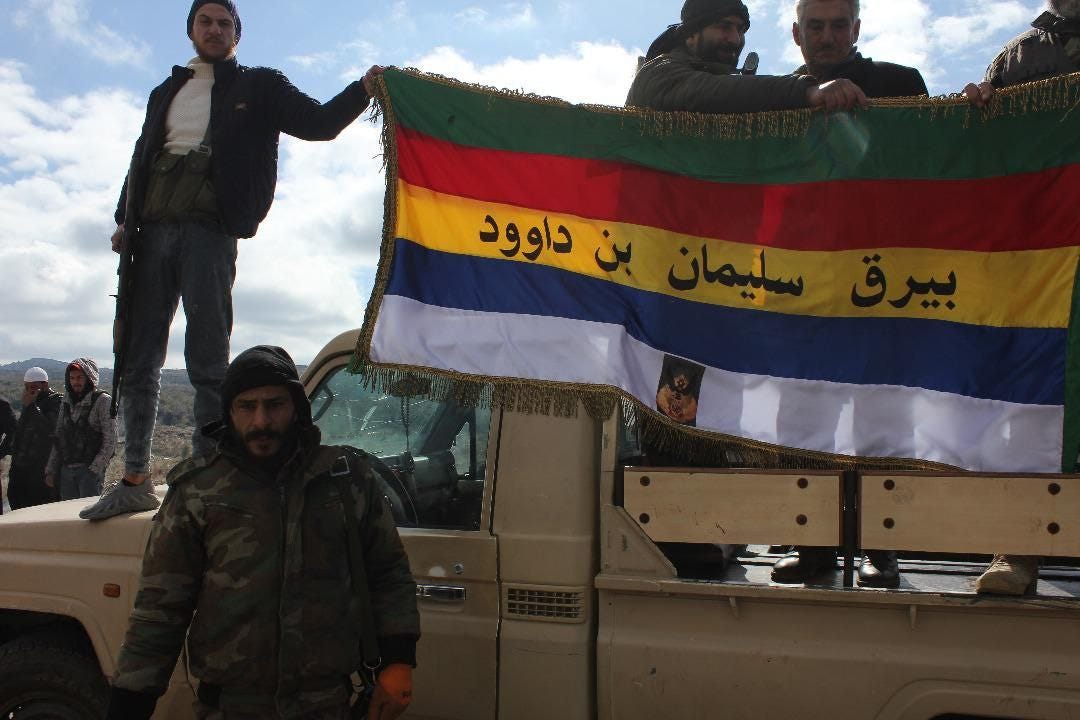
Sheikh al-Hijri accuses Damascus of favoring Bedouin tribes and failing to protect Druze civilians. His group advocates for de facto or formal autonomy for Suwayda.
In contrast, the other two Sheikh al-‘Aql—Yousef Jarbou and Hammoud al-Hinnawi—represent a more conciliatory approach. Rooted in Suwayda’s traditional religious and social hierarchy, these leaders have historically engaged with Damascus to protect Druze rights and preserve community stability.
While they lack the military power of the Suwayda Military Council, their influence stems from moral authority, community leadership, and longstanding legitimacy. They act as intermediaries between the Druze population and the state. Though they advocate for greater local governance, they do not support full autonomy. Instead, they seek cultural and political guarantees for the Druze within a unified Syrian state—favoring negotiation over separatism.
Another key player is the Men of Dignity Movement, or Rijal al-Karama, which arose during the Syrian civil war. The movement includes an armed wing but focuses primarily on local security and the protection of Druze communities. They often balance resistance with pragmatic engagement with the Syrian government.
During the July 2025 clashes, the Men of Dignity participated in defending Druze areas against both Bedouin militias and government forces. They accused Damascus of excessive violence, field executions, and violations that led to the deaths, injuries, and disappearances of Druze men, women, and children—along with the displacement of several communities.
Israel Objectives
In July 2025, Israel undertook a calculated intervention in Suwayda, Syria, pursuing a set of interconnected objectives.
At the forefront was the protection of the Druze minority. But Israel’s goals extended further: enforcing a demilitarized zone in southern Syria, expanding its strategic buffer beyond the existing one in the Golan Heights, and countering Islamist influences within the Syrian Transitional Government. This intervention also reflected mounting domestic pressure from Israel’s own Druze population.
Prime Minister Benjamin Netanyahu and Defense Minister Israel Katz declared that airstrikes—carried out between July 15th and 19th—were aimed at shielding the Druze community from attacks by Syrian government forces and Bedouin tribal fighters.
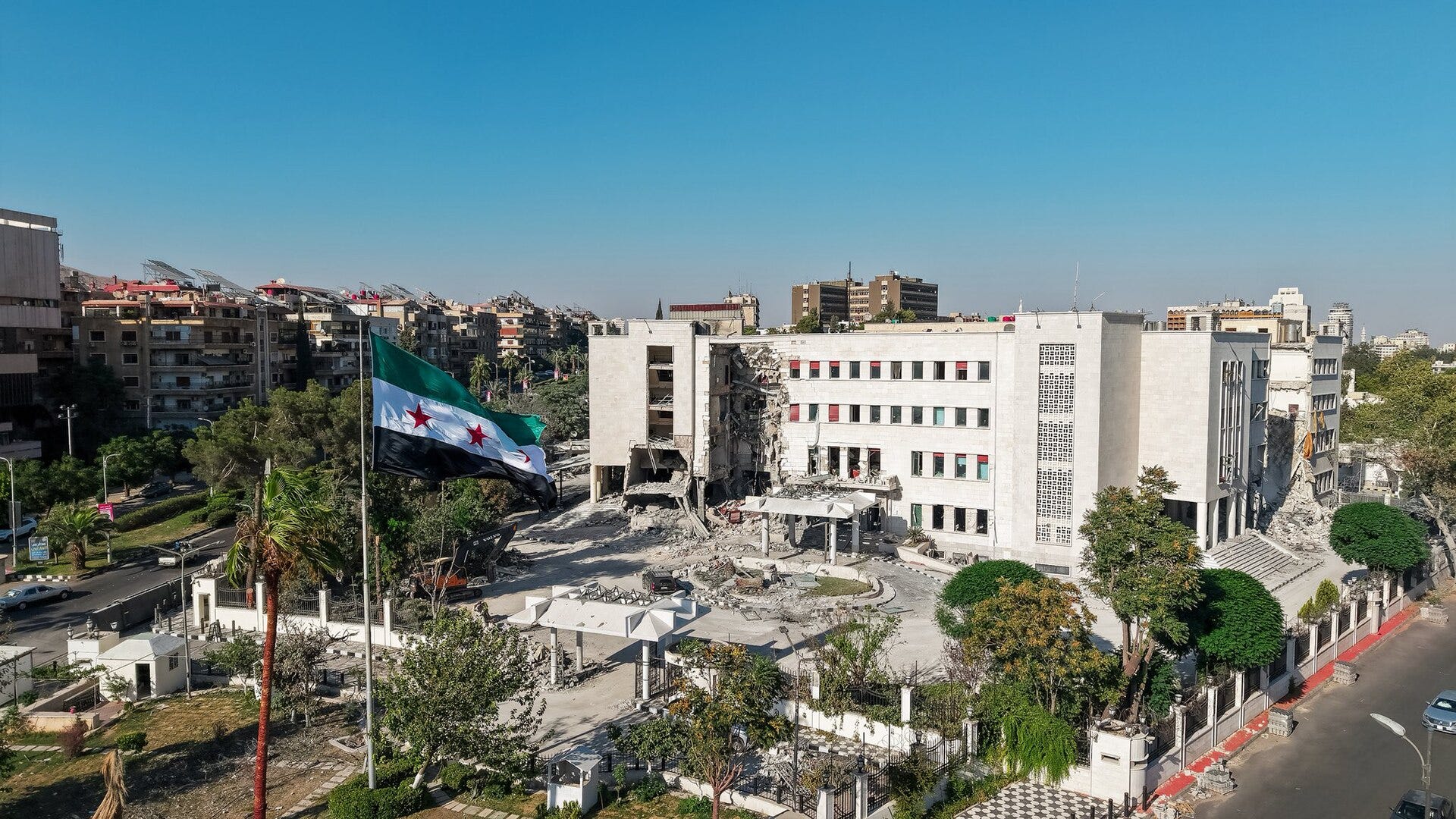
Citing a “deep brotherhood alliance” with the Druze population—approximately 150,000 people in Israel and the Golan Heights—Israel positioned itself as their international protector.
At a strategic level, Israel sought to maintain a demilitarized corridor across Quneitra, Daraa, and Suwayda—territories bordering the Golan Heights. This policy echoed a long-standing Israeli doctrine: preventing Syrian or Iranian-backed forces from consolidating near its borders. By intervening directly in Suwayda, Israel sought to restrict Damascus's reassertion of control over the region.
Domestic dynamics further shaped Israel’s calculus. On July 16th, over 1,000 Druze civilians from Israel crossed into Syria in defiance of official policy, responding to urgent appeals from their Syrian counterparts. Amid rising pressure from within Israel’s Druze community, Netanyahu issued a public appeal for restraint, urging Israeli Druze not to cross the border—while simultaneously affirming Israel’s readiness to provide military support.
Syrian Transitional Government
During the clashes in July 2025, the Syrian government’s primary goal had been to restore stability and reassert control over a region marked by deep divisions and strategic vulnerabilities.
The Transitional Government, aiming to build a unified state in the post-Assad era, had sought to reestablish centralized authority across all Syrian territories — including Suwayda. This initiative was part of a broader effort to prevent national fragmentation and reintegrate autonomous regions into the national framework.
A key component of its strategy had been to counter foreign influence — particularly Israeli airstrikes and external support to Druze factions. To that end, Damascus attempted to reestablish state institutions in Suwayda, deploy trusted local security forces, and initiate negotiations with Druze leaders.
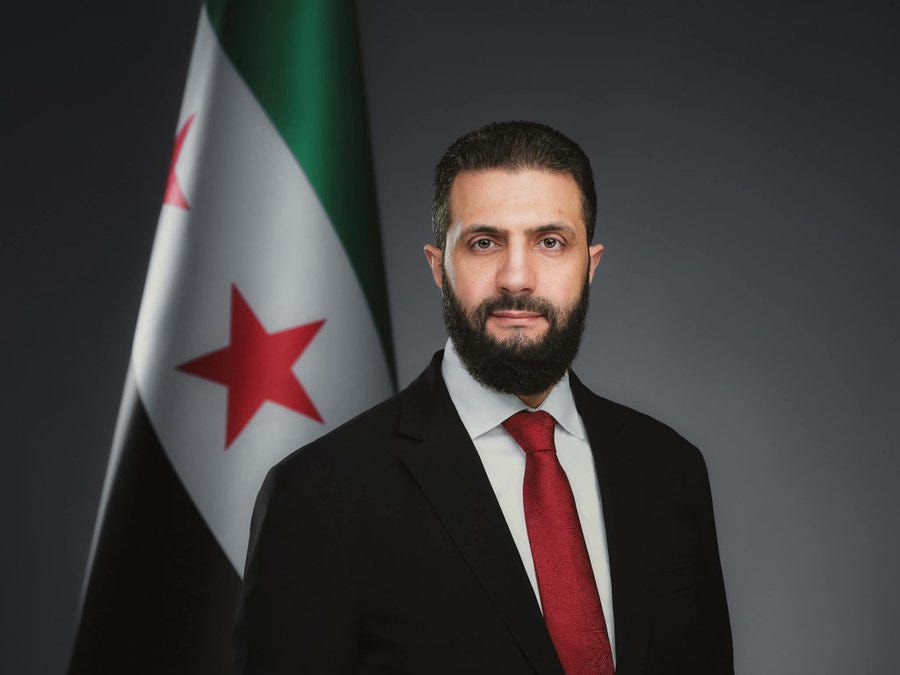
While pursuing these objectives, the Syrian government had also emphasized de-escalation. One of its stated aims was to reduce chaos through a combination of political and security measures. Officials described their military operations not as an offensive, but rather as a state response to escalating violence — intended to protect civilians and prevent further conflict.
However, members of the Syrian government forces had reportedly sided with Bedouin tribes against Druze factions, further exacerbating sectarian tensions instead of quelling them.
Critics point to the government’s Islamist roots—particularly President al-Sharaa’s past affiliation with Hayat Tahrir al-Sham (HTS), a former al-Qaeda branch—as evidence of bias toward Sunni Islamist groups. This has fueled fears among minorities, who worry about marginalization or persecution under a Sunni-dominated administration.
In March 2025, HTS-led militias attacked Alawite villages in Latakia and Tartus. The Alawites, an ethnoreligious minority group, were targeted, leading to massacres and mass displacement. Estimates of civilian deaths vary, ranging from several hundred up to 1,700.
During the July 2025 clashes, numerous reports emerged of sectarian abuses and arbitrary executions carried out by Syrian government or assocated forces against the Druze population. These violations included extrajudicial killings, destruction of property, and indiscriminate shelling of civilian areas.
Among the allegations were:
– The killing of at least 182 Druze civilians, according to the Syrian Observatory for Human Rights;
– The public humiliation of Druze sheikhs through the forced raising of their mustaches — an offensive act in Druze culture;
– And the execution of patients inside Suwayda National Hospital, as reported by the BBC, where witnesses claimed that victims were shot in their beds within the hospital wards.
As of July 2025, the situation in Suwayda remains tense. Allegations of executions and cultural offenses continue to undermine the government’s legitimacy in the eyes of the Druze community. These concerns have fueled growing fears that the state is either actively promoting — or at the very least failing to prevent — sectarian violence.